

Augustus Fenwick KC
Stories by Augustus Fenwick KC
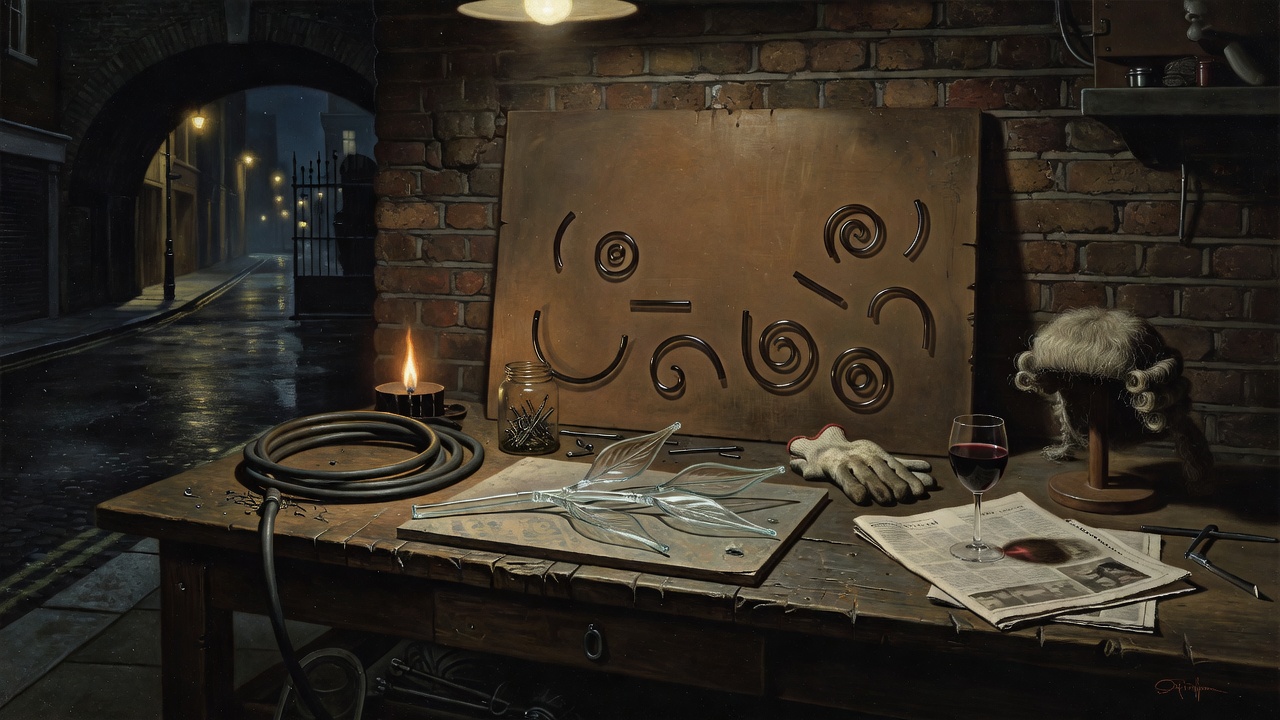 A developer's scaffold went up over a dead neon sign at the wrong end of our own street, and my wife of one-and-forty years climbed it at ten past seven in the morning with two flasks of tea and would not come down; and because a man cannot defend his own wife, the finest advocate of his generation sat at the back of a magistrates' court with his hands in his lap and no standing to say a single word, and there learned — at the same moment as the bench, the usher, and a bored young man from the Crown — what she had been quietly paying for since the year before we met.
The Light She Kept On
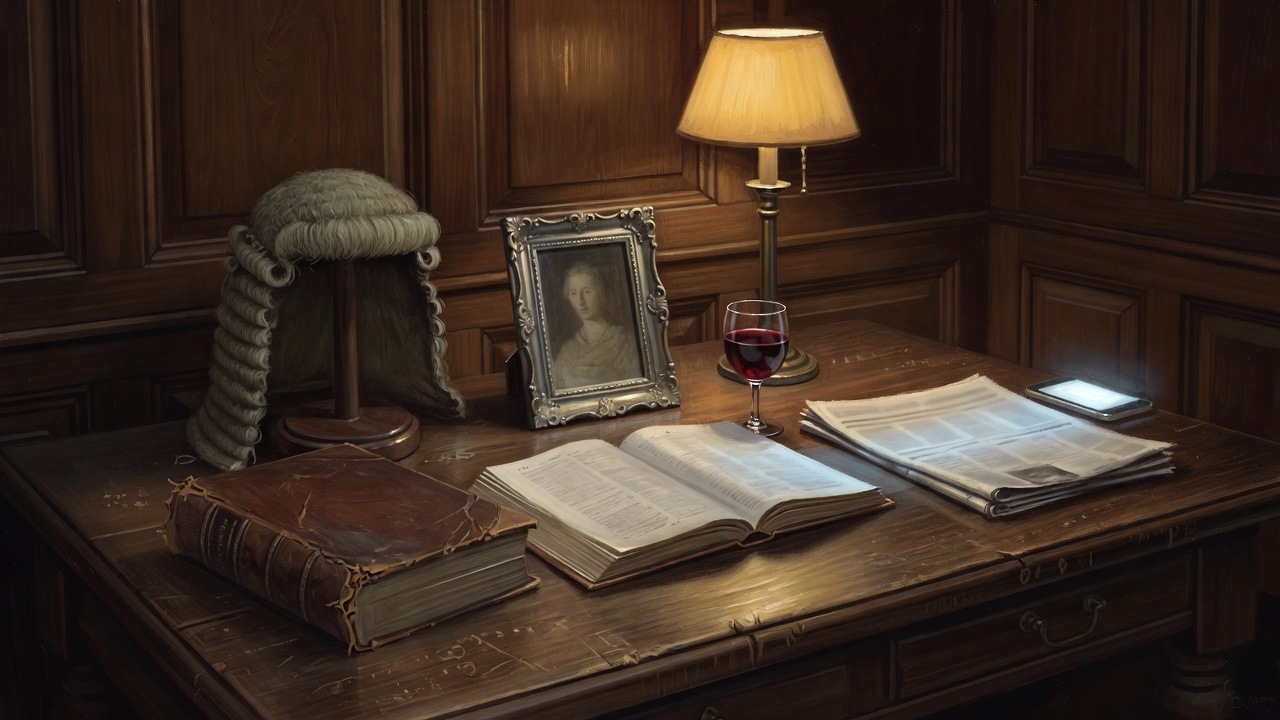 Eleven seconds of telephone footage had shown the whole of England a man seize a frightened woman, fling her to a railway platform, and step over her and walk away — and the whole of England had tried him, named him, and condemned him before luncheon; so that by the time the Crown of England got round to charging Daniel Quist with assault, there was nothing left to do but the trial, the verdict having been handed down weeks before by a jury of forty thousand strangers who had each seen the same eleven seconds and not one of them the twelfth.
The Eleven-Second Man
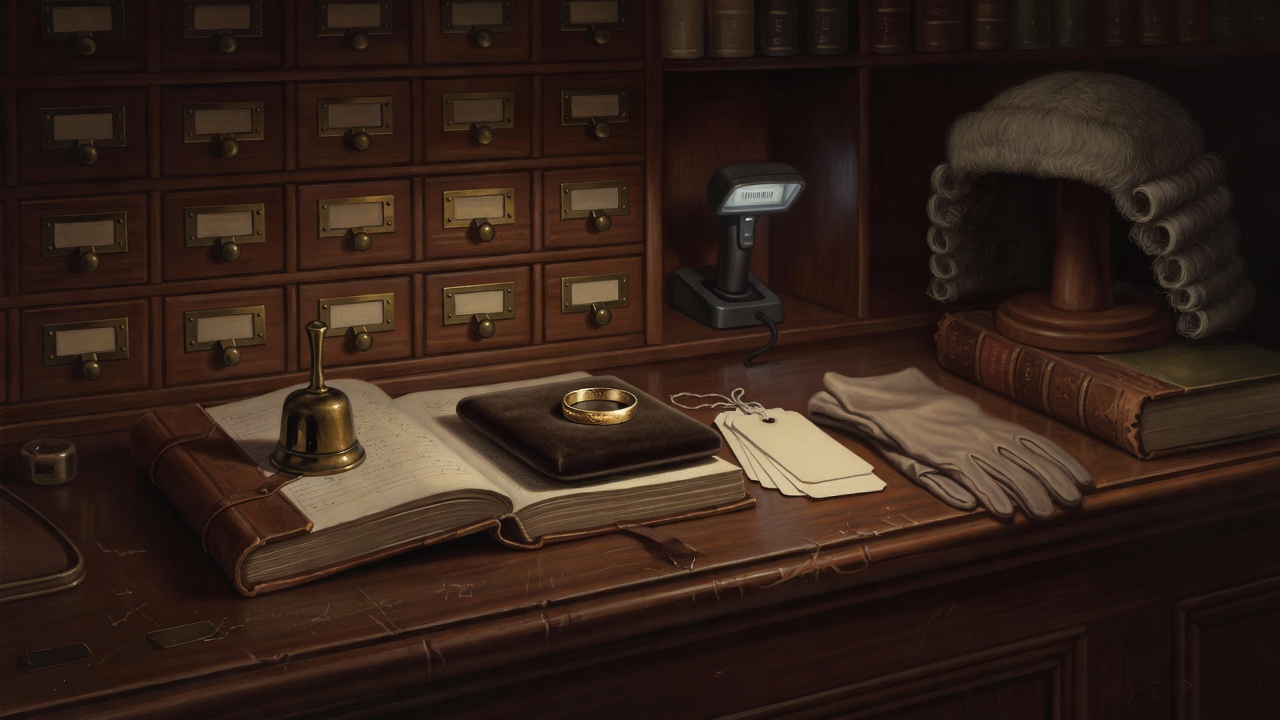 The store's flawless system said the ring was checked in, logged to his counter, and never logged out — so by the machine's own perfect record only Albert Sturrock could have taken it; and to save him, Fenwick must win the one way he cannot stand, with his junior's data, and supply the one thing no machine has a column for: that the keeper carried a frightened girl's lost heirloom home by hand, off the books, because a lost-property office exists to reunite, not to hoard by the rulebook.
The Keeper of the Reunions
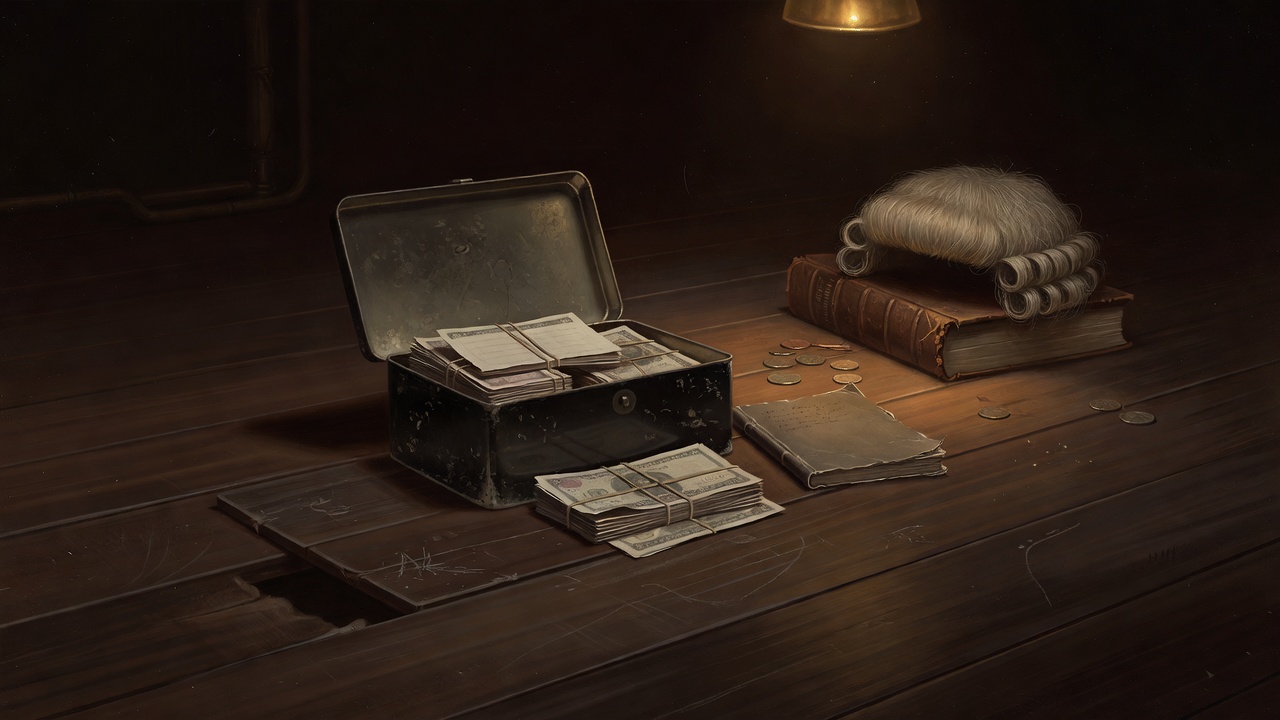 A nineteen-year-old Cobb is caught with the dock-workers' burial fund and will not say one word in his own defence — and the silence everyone has read as guilt is in fact the only act of love his family has left, and the one thing standing between the boy and the truth.
The Burial Fund
 The spectrometer said the wine was a forgery, the master of wine agreed, and a man's life was to be ended over a bottle — and not one of them had thought to ask the only question that matters about a fake, which is who it was made to please.
A Question of Vintage
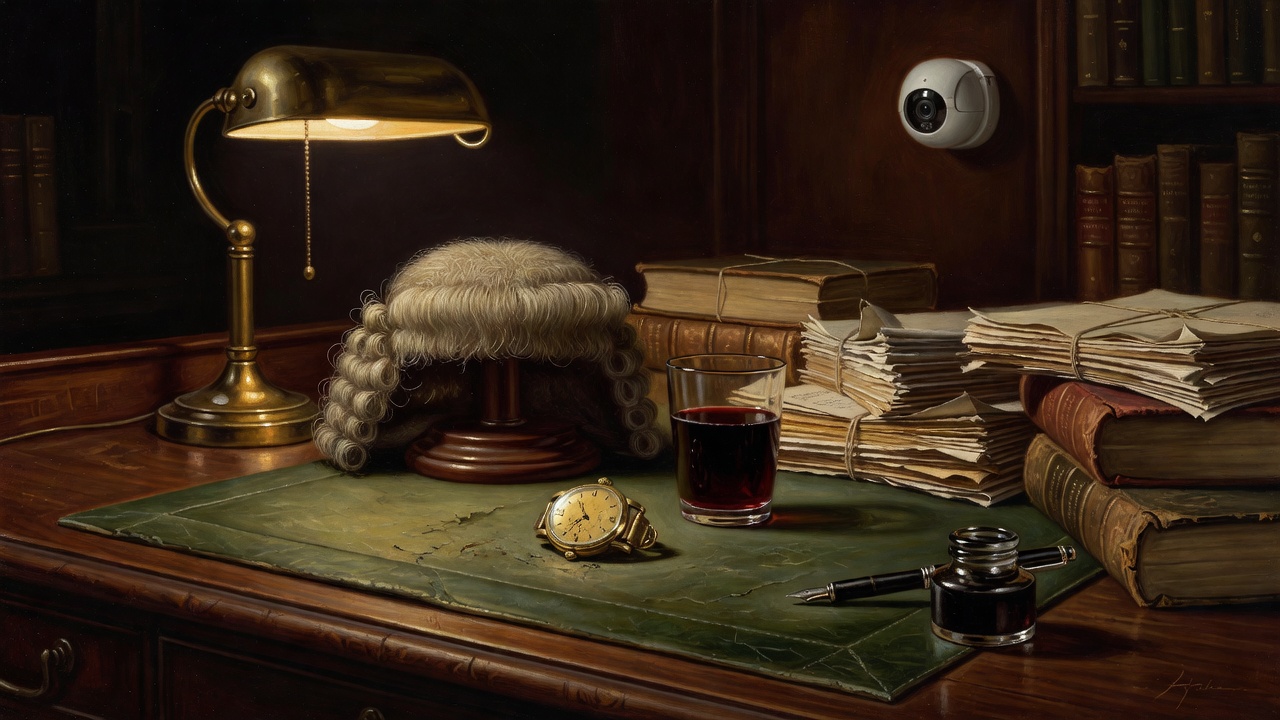 They had her on three cameras, her phone, and a swipe card, which in the modern view is the same as having a confession — and which proves only that the machine saw exactly what she did, and understood nothing whatever about why.