
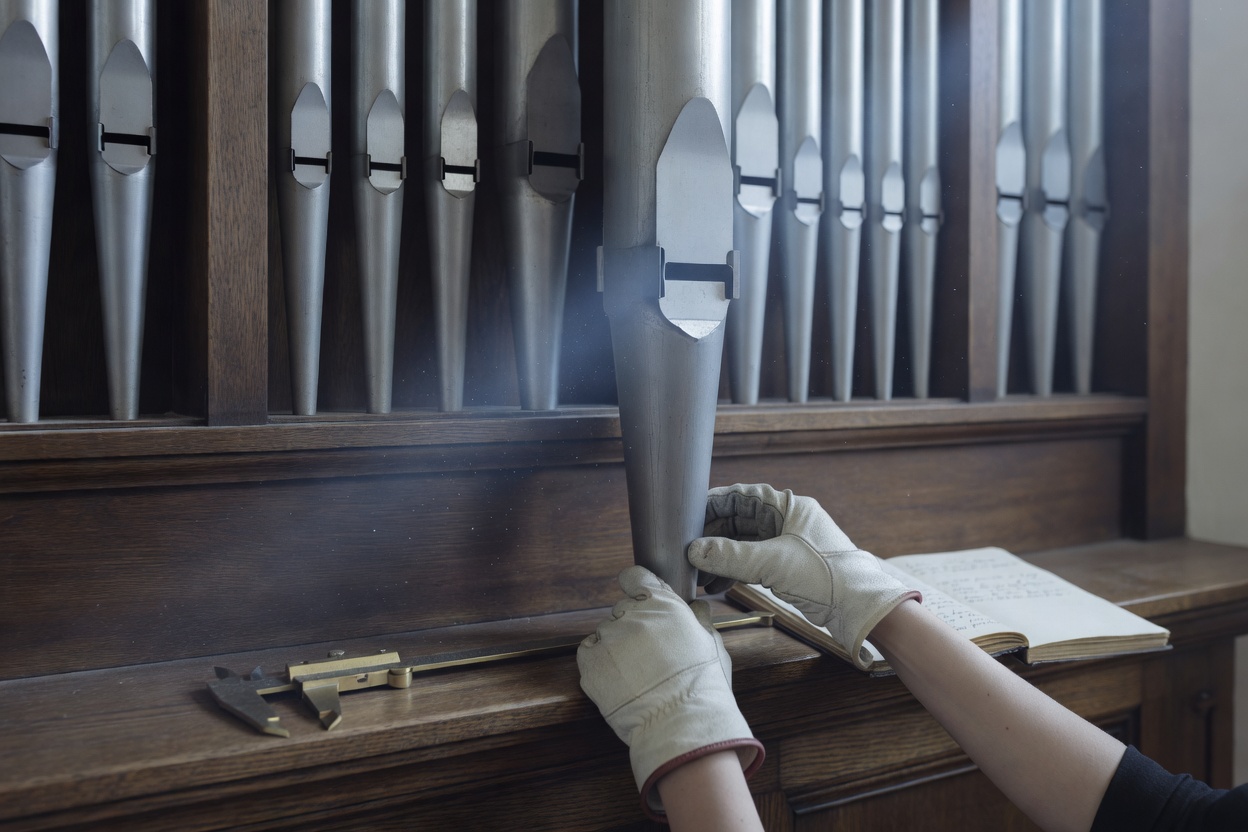
The Front Pipes
Content notes
war, occupation, moral coercion, reprisal threat
They did not send a soldier to take the organ. They sent me, because I was the only man in the province who could tell them, to the gram, what it was worth.
I want to set that down the way it happened, in the order it happened, because for a long time I told it to myself in a kinder order and I have grown tired of the kindness. The truth is that no one held a pistol to me. A pistol would have been a mercy; it would have decided things. What they held to me was a form.
The form came from the Rüstungsinspektion, the armaments office, and it was a beautiful piece of work in its way — three carbon copies, a column for the metal and a column for the alloy and a column for the estimated yield in kilograms, and at the bottom a line for the assessor's signature and one for the parish's. My German was good. My hands were good. That was the whole of my qualification. Before the war I had spent thirty years learning the inside of organs the way a doctor learns the inside of a man, and the Germans, who waste nothing, had found a use for a doctor who could also sign a death warrant in a clean hand.
The metal ordinance had come the year before. First the bells. They took the bells in the autumn of forty-two; I stood in the square at Maartensdijk and watched them swing the great bell down out of the tower on a chain, and an old woman beside me crossed herself and said it was like watching them lower a coffin, and she was right, except that a coffin at least has someone in it who is already past hurting. The bell was not past anything. It rang once when it touched the cart, a flat broken note, and that was the last sound it ever made as a bell. After that it was tin and copper and a number on a form.
The bells were the loud part. The organs were the quiet part, and the quiet part was mine.
Not every organ. They were not barbarians, whatever else they were; they understood that an instrument has value as an instrument, and a working organ in a working church kept the population calm, and a calm population was cheaper to occupy than a furious one. So there were rules. The facade pipes — the front pipes, the prestant, the tall shining ones the congregation sees, the ones the old builders made of nearly pure tin because tin sings and tin shines — those were the prize. High tin. Easy to reach. And, the office had decided, not strictly necessary, since an organ can be made to speak after a fashion on its inner ranks alone, the way a man can be made to speak after a fashion with his front teeth knocked out. It was not even a new cruelty. They had done it in the last war — the prospect pipes pulled from the churches of Germany and the occupied lands in 1917 and fed to the gun-foundries — and a thing a people has done once can always be ordered done again, only faster, by men who have the forms already printed.
My work was to go from church to church and decide. To climb up into each gallery and put my hands on the pipework and say: this rank can go, this rank must stay if the instrument is to keep functioning, this metal is fine tin and this is base, this yields so many kilograms. I had a brass caliper that had belonged to my own master, Gerritsen, who taught me to measure a pipe's wall to set its voice. I used the same caliper now to measure a pipe's wall to set its price. It is the same gesture exactly. I have done it ten thousand times in love and I did it now in something I did not have a name for, and the caliper did not know the difference, and that was the first thing the work taught me — that the hands do not know the difference, that devotion and desecration feel identical in the fingers, and that I had been a fool to think a skill could only be used for the thing I had learned it for.
I told myself, that first month, that it was better me than someone who did not care. A clumsy man, a soldier with a crowbar, would have wrecked the chests pulling the pipes, cracked the rackboards, torn the conductors. I lifted each pipe out the way it was meant to come out, by the foot, never the body, never bending the resonator, and I laid them in the straw in the cart in order so that — I actually thought this — so that someday, after, they could be put back. As if there would be an after with the same pipes in it. As if I were preserving and not condemning. A man can stand almost anything if he can tell himself he is the gentlest part of it.
By November they gave me the river churches, the small parishes south of the city, and a date. The inventory for the whole district had to close by the first of December; the foundry at Hamburg wanted its tonnage and the office wanted its tonnage and there was a quota that came down from somewhere above all of us, and the quota did not care that it was nearly Advent. I had perhaps three weeks and eleven churches and I worked them the way you work against a tide, fast and without looking up, because looking up was the thing I could not afford.
And on the list, the ninth church, was Oudewater.
I should tell you what Oudewater was to me. It is a small town and a small church and in that church is a small organ, a Bätz, built in the old man's own shop in Utrecht when this country still had a soul that could afford such things, two manuals and a pedal and a facade of seventeen prestant pipes that I have heard a hundred men call the most beautiful in the river country. I served the first three years of my apprenticeship under Gerritsen on that organ. I learned the trade with my arms inside it. The first pipe I ever voiced alone, the first true thing I ever made sing — Gerritsen stood behind me with his arms folded and said nothing and then said, that will do, which from him was a medal — was the low C of the Oudewater prestant. The front pipe. The one the whole town sees from the street through the open door in summer.
I had measured it as a boy to give it a voice. Now I was to measure it to take its voice away.
I went on a grey morning with frost still in the shadow of the dyke. The sexton met me at the door. His name was Bram Hofstee and he was older than the war, older than me, a thin old man in a coat that had been turned twice, and he had been sexton of that church for forty years and his father before him. He knew who I was. Of course he knew; the whole river country knew the assessor by then, the Dutchman who came before the cart, and there were two ways a man's door opened to me — with hatred, which I could bear, or with a terrible careful courtesy, which I could not.
Hofstee gave me the courtesy. He took my coat. He had made a fire in the consistory of wood he could not spare and he poured me something hot and thin that was pretending to be coffee, and he asked after my health, and I understood that he was doing the only thing left to a powerless man, which is to be so unbearably decent that you make the other man feel the full weight of what he is. He did not know he was doing it. That is what made it work.
Then he took me up to the gallery, slowly, a step and a breath and a step, and he stood back against the rail while I uncovered the console and opened the great doors of the case, and the smell came out — old leather and dust and the particular sweetness of forty years of beeswax on oak — and I was nineteen again, and Gerritsen was somewhere just behind me about to tell me what I had done wrong.
"You will want the front, then," Hofstee said. Not a question. He had seen the carts come back from the other towns. He knew the front went first.
"I have to measure first," I said. "I measure everything. Then it is decided."
"Decided," he said, and nodded, as if it were a reasonable word, and that nearly finished me, because we both knew who decided.
I want to be exact about the work now, because the work is the only place I was ever honest in that whole year, and because if I tell you only the feeling and not the work you will not understand how a man does this.
You measure a facade pipe at the mouth and at the body and you take the wall thickness with the caliper at three points, and from the alloy and the dimensions you know the mass, and you know it closely, within a few grams, because a pipe is a made thing and a maker is precise. I went down the seventeen. I called the numbers and I wrote them in the ledger in my own hand, the German column and the alloy column and the yield, and Hofstee stood and watched my pen and did not speak. The Oudewater prestant is very high tin, what the old men called English tin, nearly pure, the metal that makes the silver in the sound. The yield was good. That is the obscene word in that trade — good. A pure rank yields well. The better the voice, the better the metal, the more the foundry wants it. The instrument is punished precisely for its beauty.
I came to the low C last. The one I had voiced. I put the caliper on its mouth and my hand knew the curve of it before the brass touched the metal, the way your hand knows a face in the dark, and I stood there with the cold pipe in my fingers and I could not, for a moment, write the number.
Here is the thing no one outside the trade understands. I could have lied. I knew the alloy from a glance; the office could not check an alloy without sending it to a laboratory in Utrecht and they had no time and no men for that in the last weeks of a quota. I could have written the rank down as base metal — spotted, the trade word, a low-tin alloy the foundry does not want — and saved the whole facade. One stroke of the pen. The most beautiful organ in the river country, spared, and no German the wiser, and I would have walked out of Oudewater the man I had been telling myself I still was.
I had the pen on the paper to do it.
And then I did the arithmetic that the year had taught me to do, the arithmetic I hated myself for being able to do so fast.
The district quota was fixed. Hamburg wanted its tonnage and would have its tonnage. If the Oudewater facade did not go into the cart, the kilograms it owed did not vanish; they came due somewhere. They came due, first, on the paper — because every church I had measured honestly was on the same ledger, in my hand, and the office at Utrecht was not stupid, and a man who suddenly found a base-metal facade in the one church he happened to have apprenticed in, the one church a Dutchman might want to save, would be a man inviting a second assessor, a German one this time, with a laboratory and a long memory. And when the German assessor came he would find English tin where I had written spotted, and he would find my signature under the lie, and beneath my signature, on the line for the parish, he would find the other signature. The one that was already there. The one Hofstee had to put on every form before I could close the church, because that was the rule, the parish certified its own dispossession, they made the robbed sign for the robbery.
I looked at the old man against the rail. Forty years in that gallery. A coat turned twice. A son, he had mentioned, downstream at Gorinchem; grandchildren. The Germans did not shoot you for a discrepancy. They were more careful than that, and more terrible. They took the man who signed, for questioning, to the house on the Maliebaan from which men came back changed or did not come back, and they took him not because they cared about seventeen pipes but because an example, in the last weeks of a quota, in a country going hungry and beginning to bare its teeth, was worth more to them than the tin. The tin was the pretext. The fear was the product.
If I saved the organ, I spent the man. That was the whole of it. There was no door behind which both of them lived. I had spent a year telling myself I was the gentlest part of a brutal thing, and the year had brought me, at last, to the place where the gentleness ran out, where there was no gentle choice left, only a smaller cruelty and a larger one, and the smaller cruelty was the organ.
I wrote the number.
I wrote it true — English tin, full yield, the good obscene number — and I heard the nib of the pen on the paper louder than I have ever heard anything, louder than the bell at Maartensdijk, and I closed the ledger, and I turned the carbon to the line for the parish, and I held out my own pen to Bram Hofstee.
He took it. His hand was steady; mine was not. He read the page — he could read, and he could add, an old sexton knows the worth of his own organ — and I saw his eyes go down the column and stop at the yield and stay there a moment too long, and then move to the line for his name. He did not know about the laboratory and the long memory and the house on the Maliebaan. He did not know I had stood with my pen on the paper and chosen, for him, against the organ. He knew only that the assessor had taken the front pipes and not invented a reason to take more, and not invented a reason to take none. He signed.
Then he did the thing I still cannot forgive him for, because it was kind. He set the pen down and he looked at me, this old man whose church I was gutting, and he said, "You did it gently. Gerritsen taught you. I remember Gerritsen." And he put his dry old hand on my arm, the way you would steady a man at a graveside, and he said, "It is not you, son. It is the times."
It is the times. As if the times were a weather that fell on us. As if there were not, inside the weather, a man with a caliper and a clean hand who could measure to the gram, and who had been chosen for precisely that, and who had said yes — not at gunpoint, never at gunpoint, but at the point of a form, which is the point most men say yes at, which is how the great wickednesses are actually done, not by monsters but by careful men signing in good light.
We took the seventeen pipes on the second of December. I lifted each one out myself, by the foot, never the body, and laid them in order in the straw, the low C last, and I will tell you that I caught myself, even then, arranging them so they could go back. The hands do not learn. The hands kept faith long after the man had broken it.
The cart went to Utrecht and the pipes went on the train to Hamburg with ten thousand other ranks from ten thousand other churches, and somewhere in the spring of forty-four the low C of the Oudewater Bätz, the first true thing I ever made sing, came out of a crucible as a grey ingot and went, I suppose, into the casing of a shell, or the bearing of an engine, or whatever it is they make of the silver in a country's voice when they have decided the country may no longer sing. I never learned which. You do not get to follow the metal. That is part of the punishment, that you give the beautiful thing to the fire and are not even permitted to know which ugliness it became.
The organ at Oudewater stood through the rest of the war with a black gap where its face had been, the inner ranks boarded over, mute in the front and thin in the back, and the congregation went on singing to it as best they could, which is a thing about people I have never gotten to the bottom of — that they will sing to a maimed organ, in a cold church, in an occupied country, on the chance that it is still worth doing.
Hofstee lived. I made it my business, after, to find that out, and it is the one clean thing in this whole account and I hold to it the way a man holds to a single coin: the old sexton lived, and saw the liberation, and saw, in nineteen forty-nine, the new facade go up — not the Bätz pipes, those were ash and shrapnel by then, but new ones, lesser ones, cast in a Dutch shop by men with their hands back. He did not see me put them in. By then I could not go back to Oudewater. A man can install a great deal but he cannot install absolution.
People ask, the few who know, whether I was a collaborator. It is the wrong question, or it is too easy a question, which is the same thing. The men who hunted Jews were collaborators, and the men who beat strikers, and there is no confusion about them. I was something the language barely has a word for and is better for barely having: a skilled man who let his skill be borrowed by the thing his skill loved least, and who did it carefully, and who told himself the care was a kind of resistance when it was only a kind of competence. I never informed on a soul. I never lifted a hand against a living thing. I only ever did beautiful work, all my life, in both directions, and the war showed me what I had refused to know — that a craft is a knife with no handle, that it cuts whoever holds it toward whatever they aim it at, and that the aiming was never in the craft. It was always only ever in me.
I made one true choice in that gallery, and it was to take the pipes and spare the man, and I have never been able to decide, in all the years since, whether it was mercy or whether it was only the smallest, most bearable cowardice dressed in mercy's good coat. I measured everything to the gram that year and I have never once been able to weigh that.
I am very old now. My hands have stopped being good; that is its own kind of peace, that the instrument is finally laid down. I have an organ in my head, still, the way the deaf are said to keep their music — I can walk down its ranks in the dark and hear every one. And the low C of the Oudewater prestant is in there with the rest, singing, the note I gave it as a boy and took from it as a man, and it does not blame me, because a note cannot, and that is the worst of it. There is no one in this whole account who blames me, not the pipe, not the sexton, not the times. They have all, every one, been kinder to me than the truth.
So I have decided, at the end, to be unkind to myself on their behalf, and to set it down plainly, in the order it happened, with my name to it the way I put my name to everything that year: that I was good with my hands, that they came for the good hands and not the bad ones, that I went, and that the bells and the pipes of half a province passed through my careful fingers into the fire — and that I am the man who measured them, gently, to the gram, and signed.
Enjoyed this story?
Read next
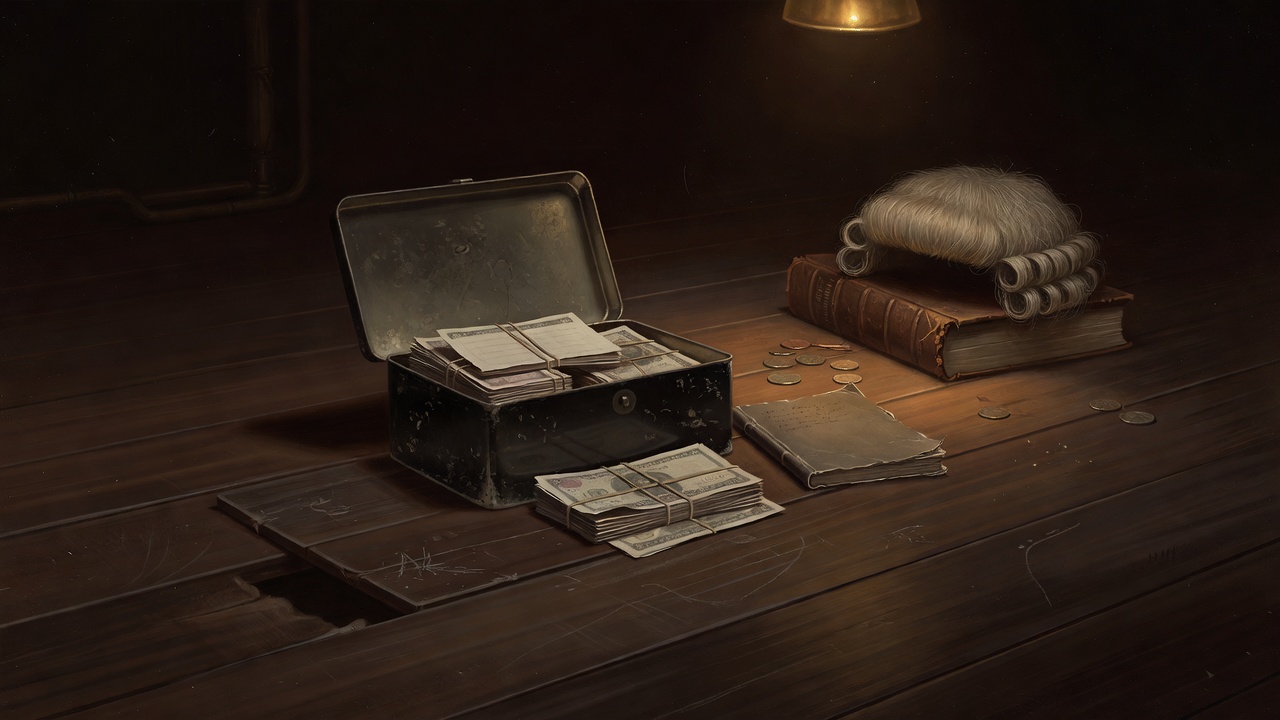 A nineteen-year-old Cobb is caught with the dock-workers' burial fund and will not say one word in his own defence — and the silence everyone has read as guilt is in fact the only act of love his family has left, and the one thing standing between the boy and the truth.
The Burial Fund
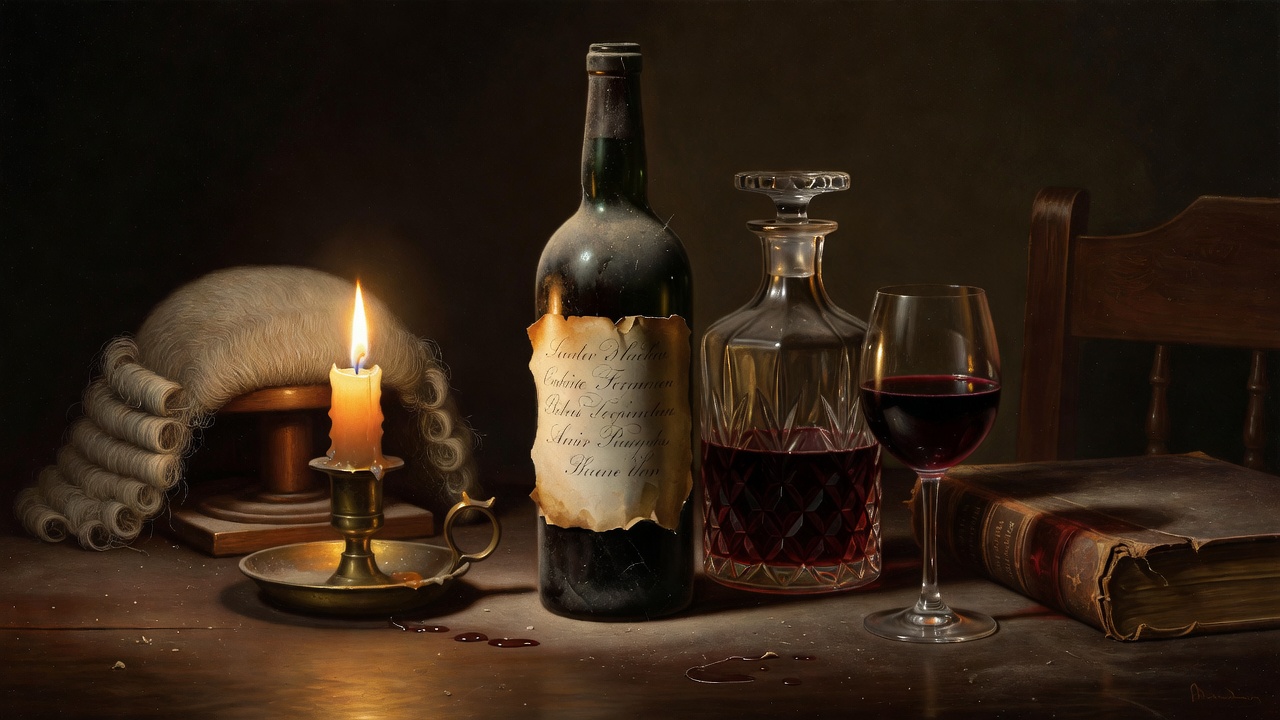 The spectrometer said the wine was a forgery, the master of wine agreed, and a man's life was to be ended over a bottle — and not one of them had thought to ask the only question that matters about a fake, which is who it was made to please.
A Question of Vintage
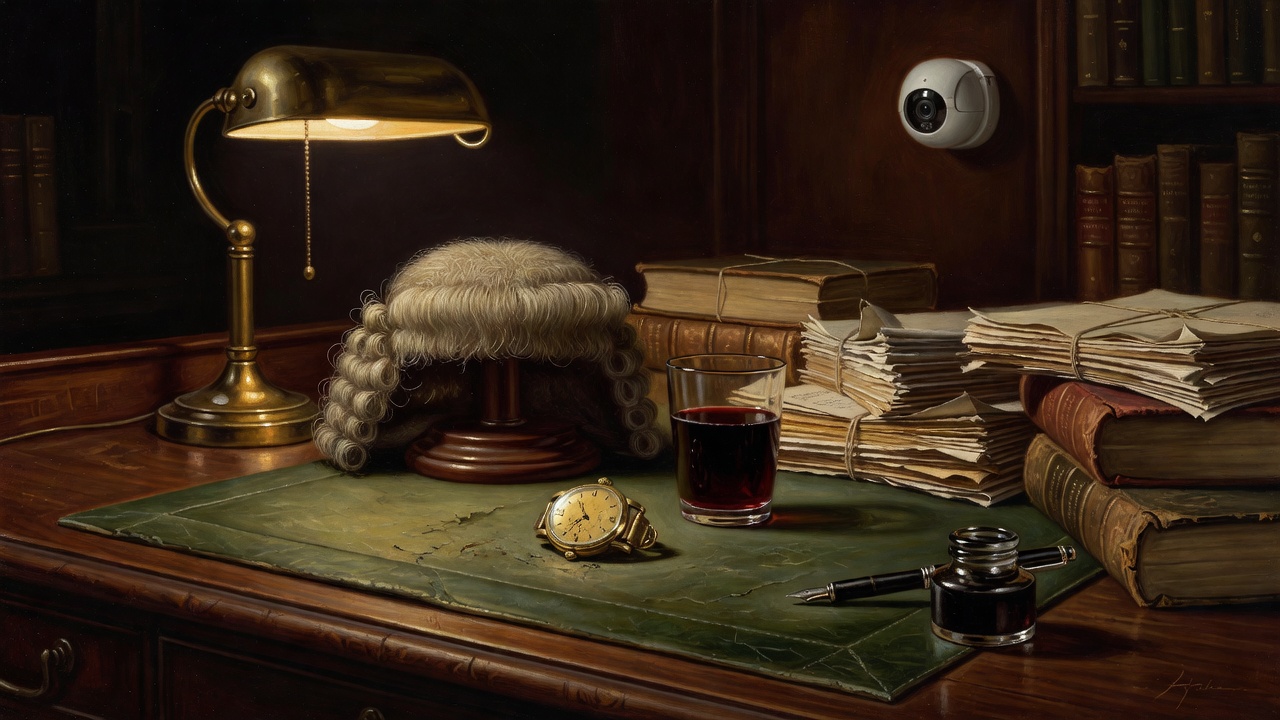 They had her on three cameras, her phone, and a swipe card, which in the modern view is the same as having a confession — and which proves only that the machine saw exactly what she did, and understood nothing whatever about why.